How Speed Camera Placement Is Decided — And What That Means for Everyday Drivers
United States – March 4, 2026 / Cam Crusher /
Speed cameras are often perceived as appearing suddenly or unpredictably along everyday routes. However, as noted by CamCrusher, a driving awareness technology company, their placement typically follows structured, data-driven criteria.
In a recently published article, CamCrusher outlines the decision-making frameworks commonly used by transportation agencies and policymakers when installing automated enforcement systems, responding to a recurring question drivers frequently raise: Why are speed cameras placed in certain locations and not others?
Rather than focusing on enforcement debates, the guide examines how crash history, traffic speed studies, road design factors, and injury risk data influence placement decisions, helping drivers understand patterns in enforcement infrastructure.

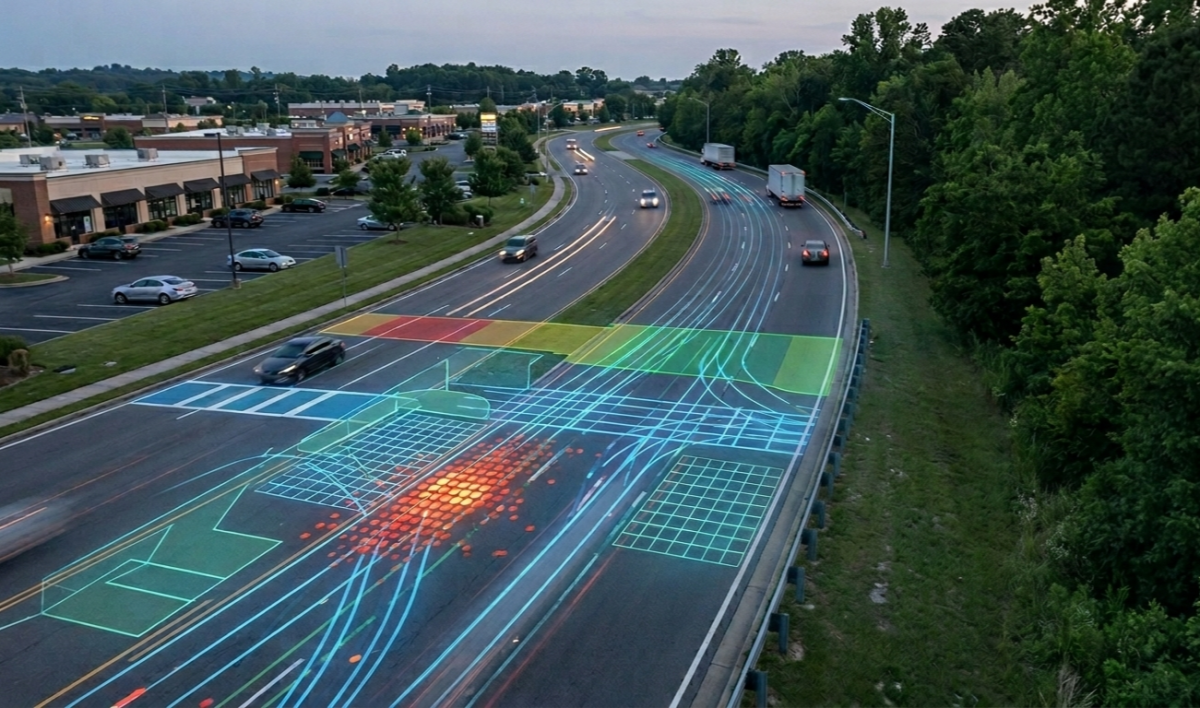
Data, Not Randomness
According to transportation research and public safety frameworks, camera placement often prioritizes:
-
Locations with repeated collisions or injury patterns
-
Areas where measured speeds exceed posted limits
-
School zones and pedestrian corridors
-
Intersections with red-light violation trends
-
Transition zones where speed limits change abruptly
These criteria are typically documented before installation, especially in jurisdictions that require formal review processes. By highlighting these patterns, the article reframes speed camera placement as structured instead of arbitrary.
Why Placement Feels Surprising
Even when enforcement follows identifiable logic, drivers may still experience cameras as unexpected. The company explains that familiarity plays a role. A roadway driven daily may feel predictable, even if data shows elevated risk.
When individual perception differs from aggregate safety metrics, enforcement can feel sudden. This disconnect happens as a timing gap between awareness and measurement. Placement decisions rely on historical data collected over time, while drivers experience roads moment to moment. Understanding that difference reduces the perception of randomness.
Revenue vs. Safety
Public discussions often question whether cameras are installed primarily for revenue generation. In many regions, legal frameworks regulate how citation funds are allocated, frequently requiring reinvestment into traffic safety initiatives or infrastructure improvements.
While debates vary by state and municipality, official placement criteria commonly reference crash reduction and injury prevention objectives. The article emphasizes that, regardless of public opinion, recognizing patterns in placement offers practical benefits for drivers.
Fixed and Mobile Enforcement
The guide also clarifies the differences between fixed and mobile speed cameras. Fixed cameras are typically installed in long-term high-risk areas and remain in consistent locations. Mobile units may rotate between approved sites to prevent predictable slowing and re-acceleration patterns.
Understanding this distinction helps explain why some enforcement points feel permanent while others change.
A Pattern-Based Approach to Driving
If enforcement tends to concentrate in school zones, construction areas, and high-density intersections, drivers can adjust their pacing naturally when entering those environments. Anticipating patterns promotes smoother adjustments than reacting to visible equipment at the last moment.
According to the company, the broader takeaway is predictability. When drivers understand how infrastructure decisions are made, enforcement becomes less surprising and more contextual.
An Educational Resource for Drivers
Speed cameras may feel sudden in the moment, but their placement is typically rooted in documented crash patterns, measured speed data, and roadway risk factors. From school zones and pedestrian corridors to high-density intersections and transition areas, enforcement tends to concentrate where the consequences of excess speed are historically greater.
By examining how transportation agencies evaluate these factors, CamCrusher’s latest guide encourages drivers to view enforcement not as a random interruption, but as part of a broader safety framework built on measurable trends.
When drivers recognize that speed camera locations often follow identifiable patterns rather than guesswork, the experience becomes more predictable. And predictability, in turn, supports steadier, more context-aware driving. The full article offers a detailed breakdown of these placement criteria and the reasoning behind them, helping everyday drivers better understand the infrastructure shaping modern road safety.


Contact Information:
Cam Crusher
,
United States
Joseph Cohen
(888) 228-0303
https://camcrusher.com/


