
Key Takeaways
- Non-invasive vagus nerve stimulation has been found safe on either the left or right side, unlike older invasive devices that were restricted to the left.
- The left side became the default for surgically implanted devices mainly because the right vagus nerve has a more direct connection to the heart’s sinoatrial node, which regulates heart rhythm.
- A 2020 clinical trial using non-invasive cervical stimulation on the right side reported no bradycardia and showed improvements in heart rate variability.
- Common external access points for vagus nerve stimulation include the outer ear, the side of the neck, the throat, and the diaphragm, with each providing different levels of accessibility and effect.
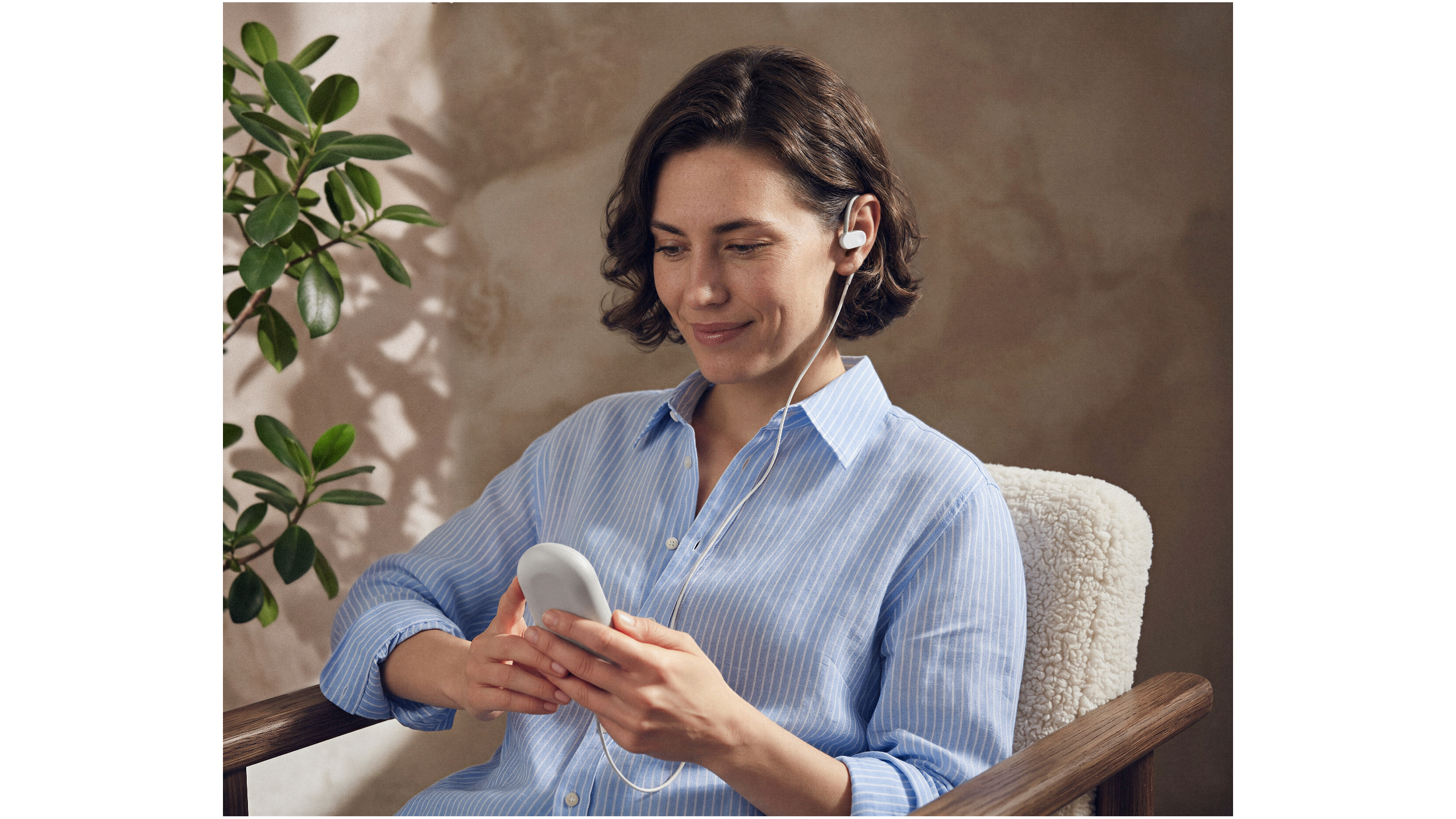
- Nuropod ships with a left earpiece as standard, though a right earpiece can be arranged for certain cases by contacting support.
Choosing which side of the body to stimulate might sound like a small detail, but for anyone investigating vagus nerve stimulation, it has a long and interesting backstory. For decades, the left side was treated as the only safe option. That rule came from research on surgically implanted devices, not from the gentler, wearable technology available today.
Why Left Was Long the Default Side
Early vagus nerve stimulation therapy relied on devices implanted inside the body, with a wire threaded around the vagus nerve in the neck and connected to a pulse generator placed in the chest. These systems were almost always installed on the left side, and that choice was not random. Researchers worried that stimulating the right vagus nerve could interfere with the heart’s electrical signals, so the left side became the conservative, go-to choice for surgeons and patients alike.
That precedent stuck around for a long time, shaping how people talk about vagus nerve stimulation even today. Anyone researching the topic has likely come across the advice to stick to the left side no matter what. As non-invasive devices have entered the picture, that advice deserves a second look: the old surgical guidance does not automatically apply to external, non-invasive devices. For readers curious about how side selection factors into ear-based stimulation, the Nuropod Earpiece (R) offers one example of how modern devices are adapting to that nuance.
The Cardiac Science Behind Side Selection
The reasoning behind left-side preference comes down to anatomy. The vagus nerve splits into left and right branches that travel down either side of the neck, and each branch connects to the heart in a slightly different way. Understanding that difference explains why caution historically tilted toward the left.
How the Right Vagus Nerve Influences the Heart
The right vagus nerve predominantly innervates the sinoatrial (SA) node, the part of the heart that acts as its natural pacemaker and sets the pace for each heartbeat. The left vagus nerve, by comparison, primarily connects to the atrioventricular (AV) node, which plays a supporting role in regulating the timing between the heart’s upper and lower chambers. Because the SA node has such direct control over heart rhythm, stimulating the right vagus nerve with an implanted device carried a theoretical risk of slowing the heart too much or triggering irregular rhythms.
Why Invasive Devices Avoided the Right Side
Given that anatomy, it made sense for surgeons placing implanted VNS devices to favor the left side as a precaution. Avoiding the right vagus nerve reduced the chance of complications like bradycardia, a heart rate that drops lower than expected, or other rhythm disturbances tied to the SA node. This approach became standard practice for implanted systems used to treat conditions such as epilepsy and treatment-resistant depression, and it is still how most surgically placed devices are positioned today. The caution made sense in a surgical context, where a permanent device delivers continuous, direct stimulation to the nerve itself.
What Changes With Non-Invasive Stimulation
Non-invasive vagus nerve stimulation works through the skin rather than through direct contact with the nerve, and that distinction changes the safety conversation considerably. Because these devices do not require surgery, the intensity and depth of stimulation differ substantially from implanted systems, which helps explain why researchers have reconsidered the strict left-only rule.
Auricular vs Cervical Non-Invasive Approaches
Two main types of non-invasive stimulation have been studied closely. Auricular stimulation targets the outer ear, where a branch of the vagus nerve reaches the surface of the skin, while cervical stimulation is delivered through the skin on the side of the neck. Both approaches share a key advantage over implanted devices: they work externally, which lowers both the intensity of stimulation and the associated risks.
- Auricular (ear-based) stimulation uses the vagus nerve’s surface branch near the tragus and concha, making it easy to access without surgery or deep tissue contact.
- Cervical (neck-based) stimulation is held or worn against the skin over the vagus nerve’s pathway in the neck, offering another accessible, external option.
Where and How to Stimulate the Vagus Nerve
The vagus nerve is the longest cranial nerve in the body, running from the brainstem down through the neck, chest, and digestive tract, offering several accessible points for external stimulation. Knowing where these points are can help anyone interested in supporting their nervous system through simple, low-risk methods.
Key External Access Points
Several spots on the body give reliable access to the vagus nerve’s pathway:
- The side of the neck, where the main trunk of the nerve runs close to the surface.
- The back of the throat, near the vocal cords, where vibration and muscle movement connect to the nerve.
- The diaphragm and abdomen, where deep breathing engages the nerve’s pathway into the gut.
- The face and outer ear, particularly the tragus and concha, where the auricular branch reaches the skin.
- The inner wrist, at the Pericardium 6 point, another accessible spot used in some stimulation practices.
Simple Techniques That Activate the Nerve
Beyond external devices, a handful of everyday activities can activate the vagus nerve without any special equipment. Humming, singing, chanting, or vigorous gargling create vibrations near the throat that stimulate the nerve’s pathway.
Deep diaphragmatic breathing, especially with longer exhales than inhales, works through the diaphragm’s connection to the nerve. Splashing cold water on the face or applying an ice pack to the neck can trigger a similar calming response.
One safety note worth remembering: avoid applying heavy or deep pressure directly to the neck arteries or carotid sinus, and keep any touch in that area very light.
Choosing a Side for Ear-Based Stimulation
For anyone considering an ear-worn device, the question of which side to use often comes down to personal comfort and specific guidance rather than a strict rule. Take, for example, Nuropod, which clips onto the tragus of the outer ear where the vagus nerve reaches the skin, ships with a left earpiece as the standard option. In certain cases, a right earpiece can be provided.
This flexibility reflects a broader shift happening across non-invasive vagus nerve stimulation. Research on auricular stimulation has shown that left-side stimulation can influence brain wave activity, including changes in theta, alpha, and beta frequency bands, while bilateral (both-sided) stimulation has been linked to reductions in a stress-related biomarker called cortisol and improvements in sleep disturbance. These findings suggest that side selection for ear-based devices may depend more on individual comfort, device design, and specific goals than on a universal safety concern.
Modern Evidence Favors Flexibility Over Fear
Looking at the full picture, the strict left-only rule that once dominated vagus nerve stimulation advice has softened considerably as research has shifted from invasive to non-invasive methods. The caution that shaped decades of implanted device placement made sense given the direct, continuous nature of surgical stimulation. Non-invasive methods, whether delivered through the ear or the neck, work differently enough that researchers have found both sides to be safe options, with some studies even highlighting potential benefits unique to right-side stimulation for conditions like depression and anxiety.
For anyone investigating non-invasive vagus nerve stimulation, the takeaway is reassuring: current evidence points toward flexibility rather than a single universal rule. Paying attention to personal response, starting gently, and seeking guidance from a healthcare provider when underlying heart conditions are a concern remain the most practical steps. For a simple way to begin investigating ear-based stimulation, consider vagus nerve ear stimulation devices designed with accessibility and comfort in mind.
Disclaimer: Research referenced in this article was conducted using Parasym’s neuromodulation technology under research conditions. Findings relate to specific study populations and should not be interpreted as guaranteed individual outcomes. Nuropod is classified by the FDA as a non-designated risk device and is not intended to diagnose, treat, cure, or prevent any disease.
Nuropod by Parasym
press@nuropod.com
2108 N Street
Sacramento
California
95816
United States


